Phone photography as a daily mindfulness ritual
Oct 18, 2026 · 6 min read
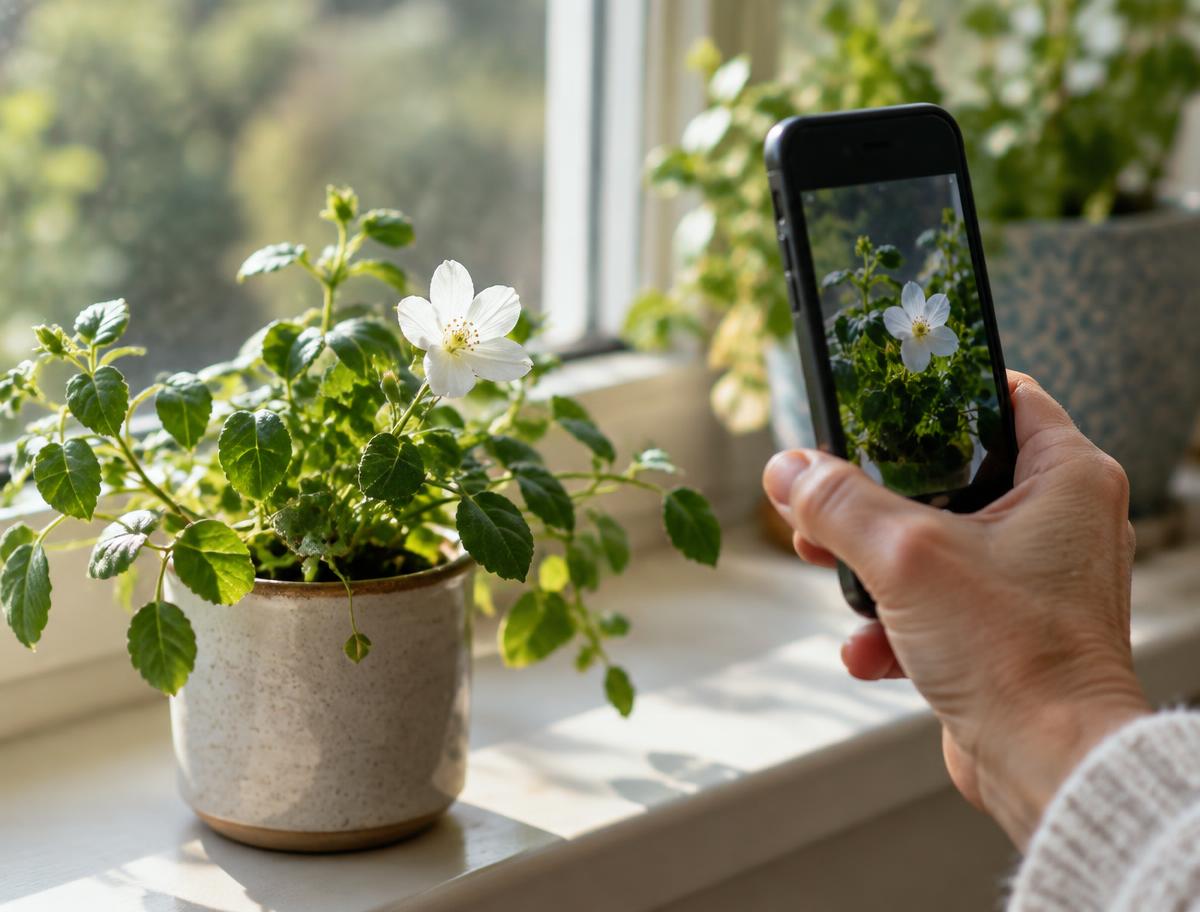
You don't need a fancy camera to slow down and really see your day. The phone already in your pocket is enough, and one photo taken with attention can turn an ordinary moment into a small pause.
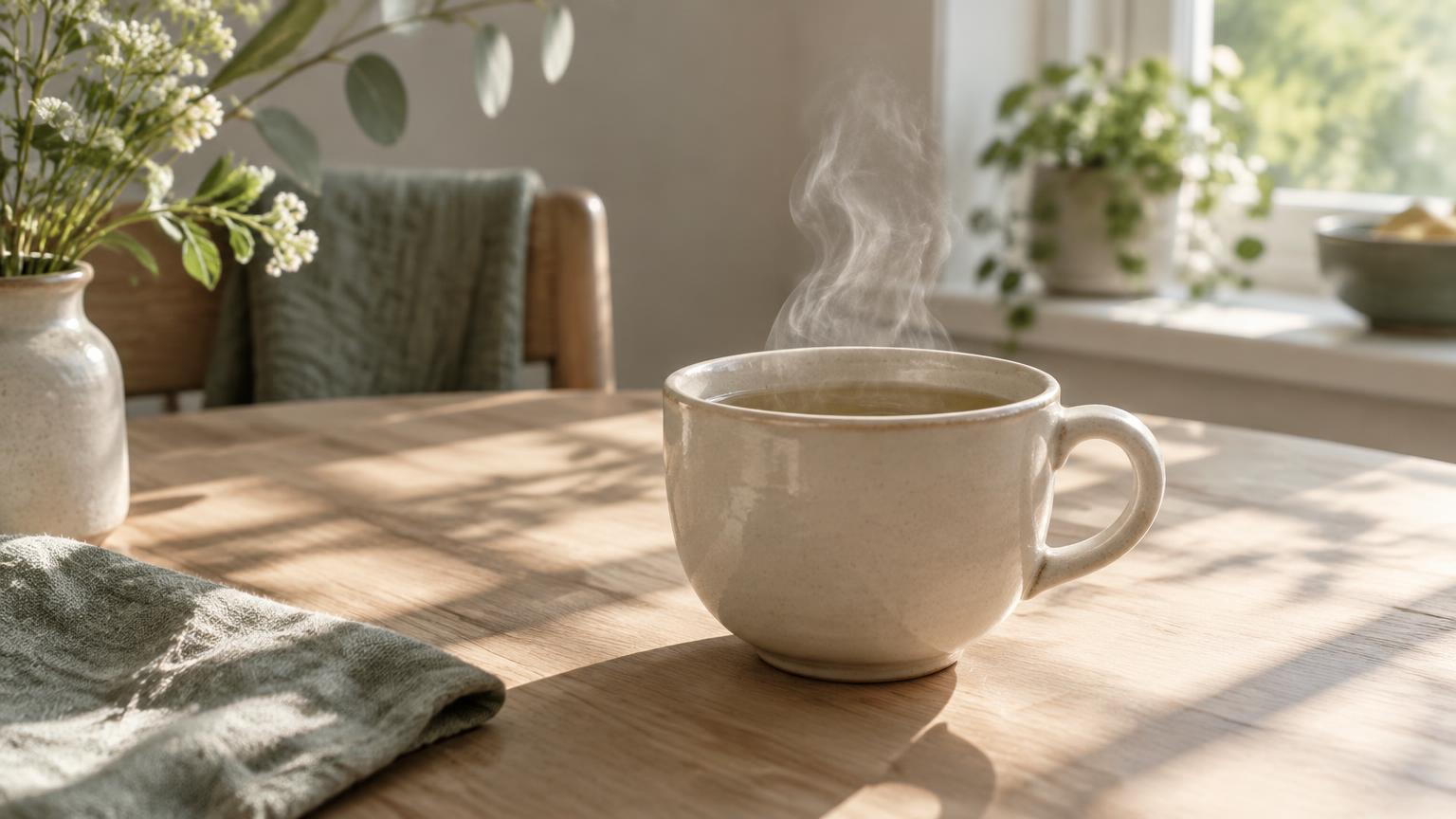
Think of the last time you were genuinely present. Maybe it was the steam curling off a cup of tea, or the way late light slid across a kitchen wall. Most of us walk past dozens of moments like that every day, half-listening to our own thoughts, scrolling for the next thing.
Photography gives you a reason to stop. Not to capture something impressive, and not to collect likes, but simply to notice. This article is about turning that into a daily ritual: one pause, one breath, one photo. It takes about a minute, and it asks nothing of you except your attention.
Why a camera makes a good meditation cushion
Mindfulness is the practice of paying attention to the present moment on purpose, without judging it. Photography happens to ask for exactly that.
To take a photo, you have to look. Really look: at where the light is coming from, at the edges of the frame, at what is in focus and what is soft. Framing is a quiet act of choosing, and choosing what to attend to is the heart of any attention practice.
A few reasons it works so well:
- It gives your eyes a task. Many people find sitting still and watching the breath difficult at first. Looking for a photograph gives restless attention somewhere gentle to land.
- It is small and repeatable. A ritual lasts when it fits inside a busy day. One photo asks for a minute, not a half hour.
- It trains noticing. The more often you look for one small thing, the more small things you see, even when the camera is back in your pocket.
- It leaves a trace. A week of photos becomes a quiet record of what you actually paid attention to, which is often not what you expected.
None of this requires skill. Mindful photography is not about good composition. It is about arriving fully in the moment the shutter clicks.
The five-step ritual
Here is the whole practice. Read it once, then try it today.
Pick a pause
Choose one moment in your day that already exists: your morning tea, the first step outside, the walk home, the minute before you start work. Attaching the ritual to something you already do means you don't have to remember it, and you don't have to find extra time.
Breathe first
Before you lift your phone, take one slow breath. Let it out fully. This is the part that turns a snapshot into a practice, because it moves you from doing to noticing.
Look for one small thing
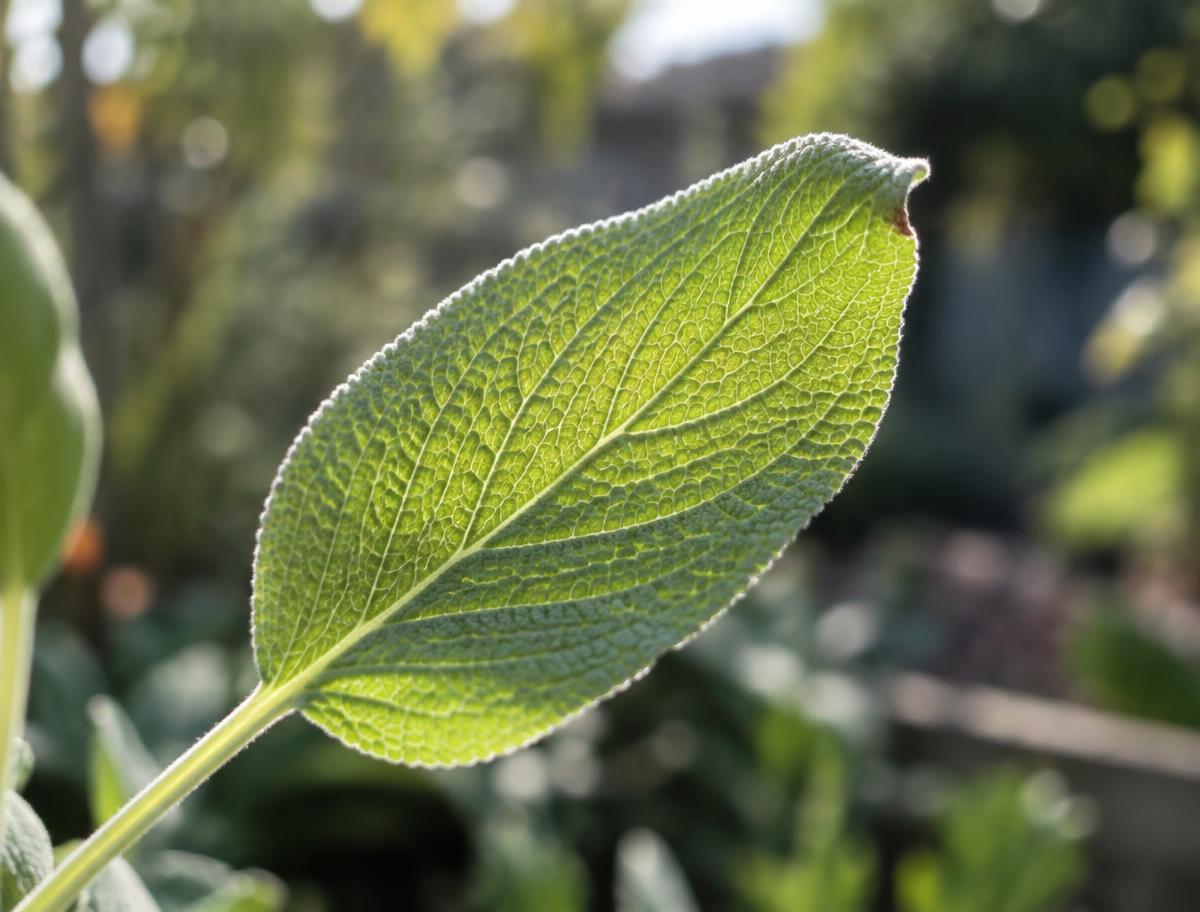
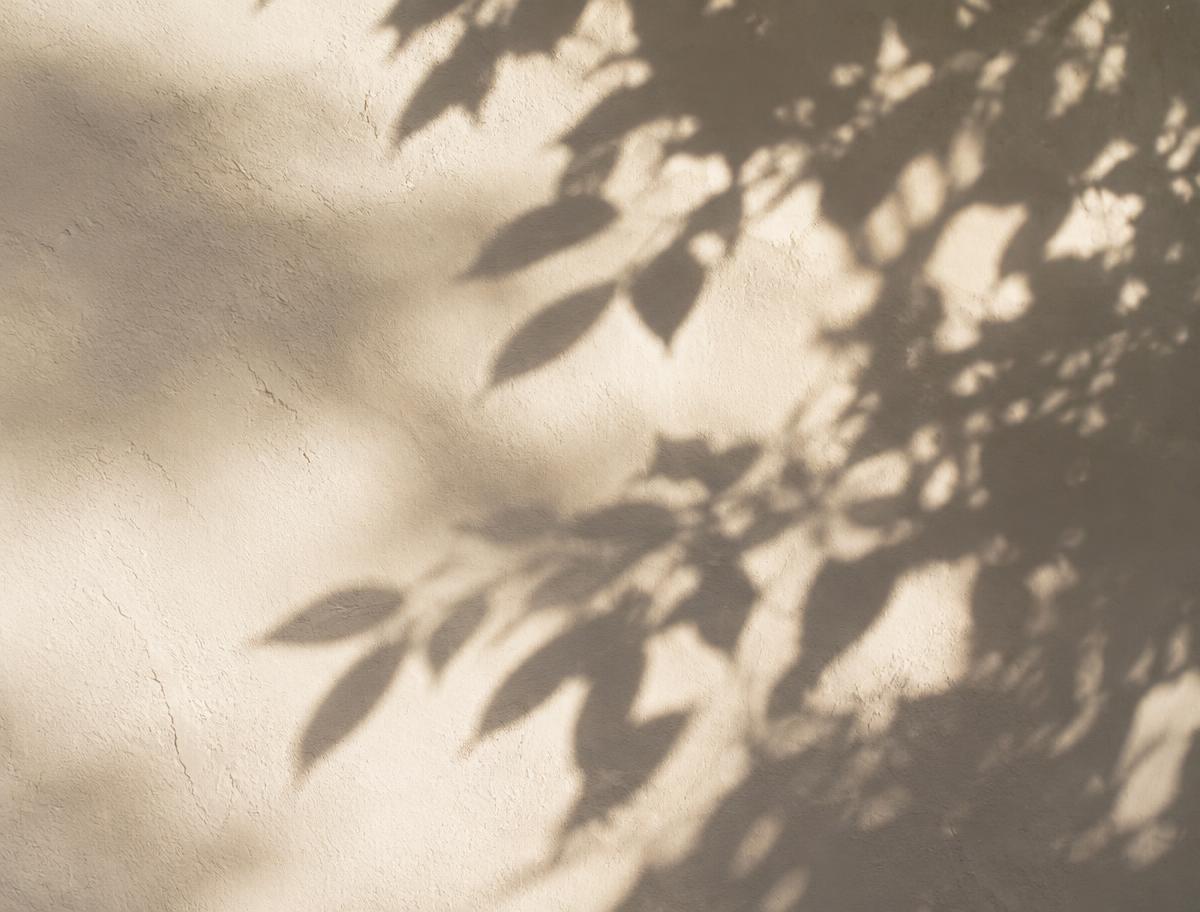
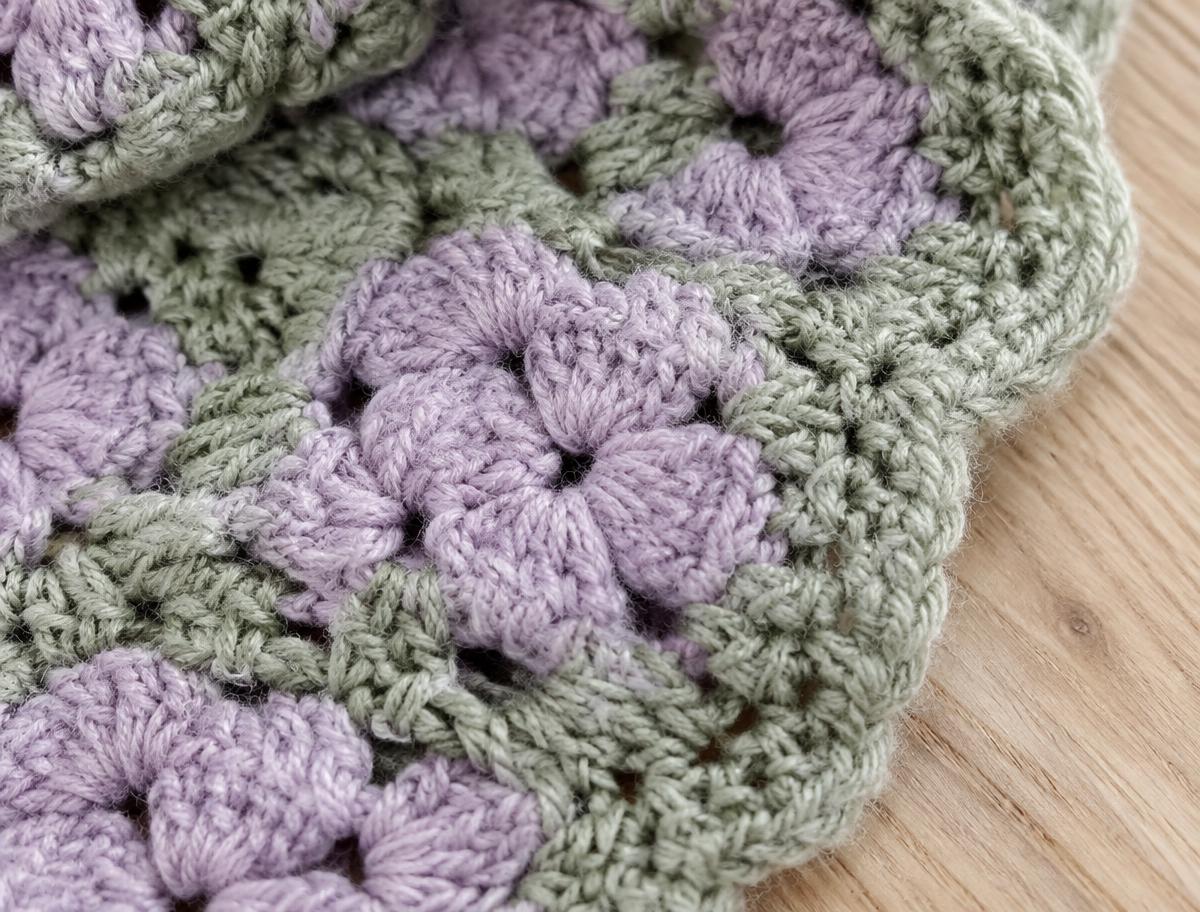
Let your eyes wander until something quietly asks for attention: light on a wall, a leaf with one curled edge, the steam off your cup, the texture of a knitted blanket. Small is the point. Large views are easy to admire; small things are easy to miss.
Take one photo, then put the phone down
Resist the urge to take twenty. One photo asks you to choose, and choosing is attention. When you have taken it, lower the phone and look at the real thing for one more breath, because it is still there.
Let it be imperfect
If it is blurry, crooked or too dark, let it be. The goal was never a masterpiece. The photo is evidence that you paused, and that is the whole success condition.
That's it. If you only ever do these five steps, you have a daily mindfulness ritual.
Seven days of gentle prompts
If you like a little direction, here is a week to begin with. Each prompt is only an invitation, so swap any of them for whatever is in front of you.
Day 1
Light
find where the sun or a lamp is touching something
Noticing quality of light
Day 2
Texture
something soft, rough or worn
Slowing down to feel with your eyes
Day 3
Hands
your own, doing something ordinary
Presence in daily tasks
Day 4
Color
one color that repeats in your surroundings
Seeing patterns
Day 5
Shadow
what the light leaves behind
Noticing absence and contrast
Day 6
Something handmade
a mug, a stitch, a scribbled note
Gratitude for human touch

Day 7
Free choice
whatever you noticed first today
Trusting your own attention
On day seven, scroll back through the six photos before you take the last one. You may notice that your eye has already started to change. The ordinary has gotten a little more interesting, and you did not have to go anywhere to find it.
When it feels hard
Every ritual meets friction. Here are the three bumps most people hit, and a gentle way through each.
"My photos aren't good enough." This is perfectionism wearing a camera strap. Remind yourself that this photo is not for an audience. It is a way of paying attention, and you cannot do it badly. A blurry photo taken with full attention is worth more than a sharp one taken on autopilot.
"I want to post everything." Sharing can be lovely, and community is part of why many of us pick up a camera. But try keeping the daily photo private for the first week. Let the ritual belong to you before it belongs to a feed. When you do share, share the one that meant something, not the one that performed best.
"I forgot again." You will. When it happens, don't make it a failure. Take the photo late, or skip the day and begin again tomorrow. A ritual is not a streak. It is a place you can always come back to, and the door is never locked.
One small thing, noticed
Over time, something quiet happens. You stop collecting images and start collecting moments you were actually present for. The photos become a trail of attention, and the habit of looking begins to follow you into the parts of the day when the camera is away.
You don't have to change your life to begin. You only have to pause once, breathe once, and look at one small thing as if it mattered, because it does.
So here is my invitation. Today, find one small thing and take one photo.